Homegrown vs Imported: Do British Brands Actually Give You Better Value for Money?
Buy British. It's a phrase that carries weight — economic, emotional, even political. But in a cost-of-living climate where every pound counts, sentiment only stretches so far. The real question is: when you compare like for like, do British brands genuinely deliver better quality, better value, or both?
We've done the legwork across 10 popular product categories, weighing up price points, consumer satisfaction data, and real-world durability to give you a clearer picture. No flag-waving. Just honest comparison.
1. Biscuits & Confectionery
British brands win on taste, imports win on price.
McVitie's Digestives remain a national institution, retailing at around £1.39 for a 400g pack. Comparable continental alternatives — German Leibniz butter biscuits, for instance — often undercut on price (£1.10–£1.20 for a similar quantity) while offering a comparable biscuit experience. That said, consumer satisfaction surveys consistently rate British biscuit brands higher for flavour familiarity and texture.
Verdict: If taste and tradition matter, go British. If you're watching the pennies, imported alternatives offer solid value.
2. Bedding & Homeware
International brands dominate on price; British brands on longevity.
IKEA (Swedish, but ubiquitous across the UK) undercuts almost every homegrown bedding brand on sticker price. A full duvet set from IKEA starts around £25, while comparable offerings from British brands like Soak&Sleep or The White Company begin at £45–£60.
However, customer reviews tell a more nuanced story. British bedding brands tend to score higher on durability and thread count consistency, with shoppers reporting longer product lifespans. Over a three-year period, the cost-per-use calculation often tilts in favour of the pricier British option.
Verdict: For short-term budgets, go international. For long-term value, British brands often justify the premium.
3. Clothing (Everyday Basics)
Fast fashion imports are cheaper but carry hidden costs.
A plain cotton T-shirt from a fast-fashion international brand (think Shein or Primark's global supply chain) can cost as little as £4–£7. Equivalent basics from British-oriented brands like Finisterre or Thought Clothing start at £25–£35.
The gap is stark — but so is the difference in fabric quality, ethical sourcing, and lifespan. Cheaper garments often require replacement within 6–12 months of regular wear, whereas better-quality British-affiliated brands frequently last 3–5 years. Factor in the environmental cost of disposal and the maths shifts considerably.
Verdict: Imports win on upfront cost. British brands win on total cost of ownership and ethical credentials.
4. Groceries (Branded vs Own-Label)
Supermarket own-label often beats both British and international branded products.
This category deserves a nuance flag. 'British' branded groceries — think Heinz (now US-owned but manufactured partly in the UK), Walkers, or Warburtons — command significant price premiums over supermarket own-label alternatives. A loaf of Warburtons white bread averages £1.40–£1.60, while Tesco's Finest equivalent sits at £1.10–£1.20 and their basic range even lower.
Blind taste tests repeatedly show that consumers struggle to distinguish branded from own-label in many grocery categories. The 'British brand' premium here is largely marketing.
Verdict: Own-label wins. Brand loyalty in groceries is expensive and often unjustified.
5. Cleaning Products
International brands dominate performance; British upstarts are closing the gap.
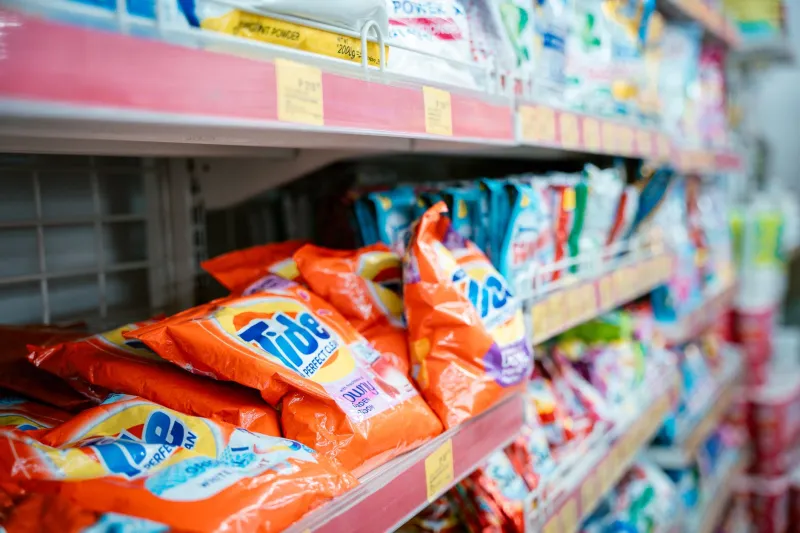
Fairy (P&G, US-owned), Flash, and Dettol dominate UK cleaning aisles despite being international corporations. Genuinely British alternatives — like Smol or Bower Collective — are growing in popularity, particularly for eco-conscious shoppers. Smol dishwasher tablets, for instance, cost around £4.50 for 30 tablets versus Finish Quantum at £7–£9 for the same quantity.
Consumer reviews rate Smol and similar British subscription brands highly for performance parity with the big names.
Verdict: British challenger brands offer genuine value without sacrificing performance.
6. Beer & Spirits
British craft wins on quality; imports win on everyday value.
British craft beer has exploded in quality over the past decade. Breweries like BrewDog, Beavertown, and Thornbridge produce world-class products — but at a price. A four-pack of craft ale averages £6–£9. Meanwhile, continental lagers (Stella, Peroni, Heineken) sit at £4–£6 for four cans.
For spirits, British gin is genuinely world-leading. Brands like Sipsmith, Hendrick's, and Edinburgh Gin regularly outperform international competitors in blind tastings at comparable price points (£25–£35 per 70cl bottle).
Verdict: British gin is exceptional value for quality. For everyday beer, imports are cheaper.
7. Skincare
British brands punch above their weight at mid-range price points.
The Body Shop (British-founded, though now owned by a Brazilian company) and brands like REN Clean Skincare, Pai, and Elemis offer strong competition to international giants like L'Oréal or Neutrogena. Prices are broadly comparable in the mid-range (£12–£35 per product), but British brands consistently score higher in independent consumer satisfaction surveys for sensitive skin formulations.
Verdict: British skincare brands offer competitive quality at fair prices. A genuine win for homegrown.
8. Garden Furniture
Imports win overwhelmingly on price; quality is variable.
Garden furniture is a category where the UK market is flooded with low-cost imports, primarily from China and Eastern Europe. A basic rattan bistro set from an international supplier retails at £80–£120, while British-designed equivalents (often still manufactured abroad) start at £200+.
The honest truth: many mid-range imported sets offer decent longevity if stored properly. The premium for 'British design' in this category rarely reflects manufacturing origin.
Verdict: Imports offer solid value. 'British' labelling in garden furniture is often cosmetic.
9. Tea
British brands are unbeatable — full stop.
Yorkshire Tea, PG Tips, and Twinings are not merely products; they are cultural institutions. And they're priced reasonably. A box of 80 Yorkshire Tea bags costs around £3.00–£3.50. Imported 'premium' teas from international brands often charge more for an inferior brew by British standards.
Verdict: Buy British. There's simply no competition here.
10. Electronics & Tech
International brands dominate entirely.
The UK has no meaningful domestic consumer electronics industry. Phones, laptops, TVs, and audio equipment are overwhelmingly produced by Asian and American corporations. British-branded tech products are essentially non-existent at scale. Shopping smartly here means using comparison tools to find the best price on international products across UK retailers.
Verdict: Use a price comparison platform. Brand origin is irrelevant — retailer pricing is everything.
The Overall Picture
British brands genuinely excel in food, drink, skincare, and textiles — categories where heritage, formulation knowledge, and quality control make a tangible difference. In categories like electronics, garden furniture, and grocery basics, international alternatives or own-label products frequently deliver better value.
The smartest approach? Ditch blanket loyalty in either direction. Use comparison data to evaluate each category on its merits. That's exactly what OnlineCompare is built for.