You're Paying More Than You Think: The Real Price of 'Bargain' Online Shopping
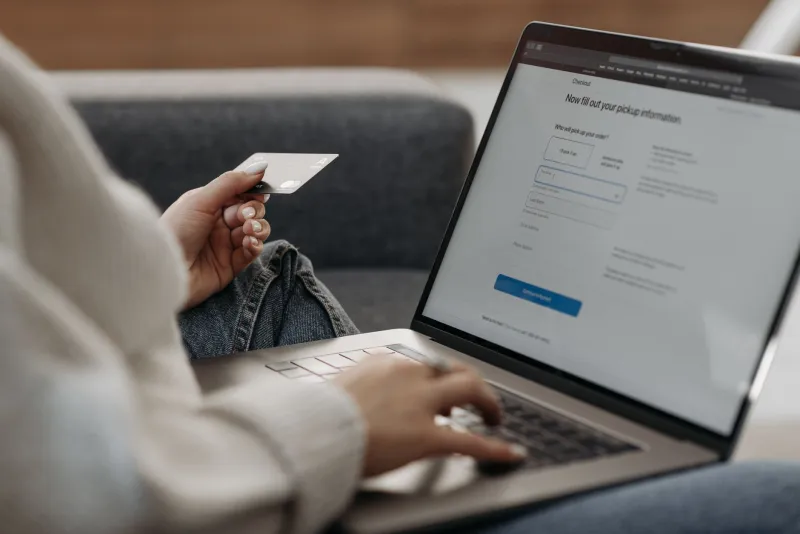
There's a particular kind of frustration that hits when you realise the 'great deal' you found online has quietly ballooned into something far less impressive by the time you reach the payment screen. A £14.99 product. A £4.99 delivery fee. A £2.99 'packaging surcharge'. Suddenly you're spending £23 on something your local high street stocks for £18.50. Sound familiar?
At OnlineCompare, we spend a lot of time looking at how prices are presented versus what shoppers actually end up paying. And the gap between those two figures? It's often wider than most people realise.
The Delivery Fee Disguise
Free delivery has become something of a marketing arms race. Major retailers like Amazon, ASOS, and Next have trained British shoppers to expect it — which is precisely why so many smaller or mid-tier online shops use it as a dangling carrot.
Here's the trick: a retailer might advertise free delivery, but only on orders over £50. Below that threshold, you're looking at anywhere from £2.99 to £6.99 depending on the site. If you're buying a single item for £15, that delivery charge represents a 20–46% price hike. On a comparison basis, that product is no longer cheap.
Even more frustrating is the rise of 'express' delivery upsells. Standard delivery might be free, but it takes 5–7 working days. Need it sooner? That'll be an extra £3.99. Retailers know that impatience is a powerful motivator, and they price accordingly.
What to do: Before adding anything to your basket, check the retailer's delivery policy page directly. Don't rely on the product listing. Many sites only display delivery costs clearly at the final checkout stage — by which point you've invested time and emotional energy into the purchase.
Subscription Traps: Paying to Shop
Perhaps the sneakiest cost of all is the subscription model. Several major UK retailers now offer 'unlimited delivery' passes — think Amazon Prime (£8.99/month), ASOS Premier (£15.99/year), or Next Unlimited (£20/year). On paper, these sound brilliant.
But do the maths. If you're paying £8.99 monthly for Amazon Prime, that's £107.88 annually. Unless you're ordering frequently enough for that to beat the cost of per-order delivery fees, you're losing money. Many shoppers sign up during a free trial period and simply forget to cancel — a phenomenon so common it's practically a business model in itself.
Some subscription services also auto-renew at a higher price than the introductory rate, quietly upgrading your annual cost without a prominent notification. Always set a calendar reminder when starting a free trial.
What to do: Use OnlineCompare's running cost calculator to work out whether a delivery subscription actually saves you money based on your typical shopping frequency. If you order fewer than twice a month from a single retailer, a subscription probably isn't worth it.
Hidden Charges That Hide in Plain Sight
Beyond delivery, there's a growing list of supplementary charges that retailers bury in the small print:
- Returns costs: The era of free returns is fading. Zara, H&M, and Boohoo have all introduced return charges in recent years. If there's any chance you'll need to send something back — especially clothing — factor in a potential £1.99 to £3.99 return fee.
- Card processing fees: Less common now following FCA regulation, but some smaller marketplaces still add a percentage charge for certain payment methods.
- Import duties: Particularly relevant when shopping from EU-based or international retailers post-Brexit. A product listed at £40 from a European brand may attract VAT and customs duty on arrival, pushing the real cost significantly higher.
- Packaging or 'handling' fees: Seen most often on marketplace platforms and auction sites. These can range from pence to several pounds.
How to Calculate True Total Cost Before You Buy
The smartest shoppers treat the listed price as a starting point, not a final figure. Here's a simple checklist to run through before committing:
- Add delivery — standard, not express, unless you need it urgently.
- Check the returns policy — is it free? Is there a time limit? Who pays postage?
- Look for subscription prompts — are you being nudged towards a paid membership?
- Check for import origin — is this a UK-based retailer or an overseas marketplace?
- Compare the total against at least one alternative — this is where a comparison platform earns its keep.
At OnlineCompare, our price tracking tools pull in data from multiple UK retailers simultaneously, so you can see not just the base price but also typical delivery costs and any known surcharges. It's the difference between comparison shopping and genuine comparison shopping.
The High Street Isn't Always the Villain
Here's something the online retail industry doesn't love to advertise: sometimes, your local high street is genuinely cheaper when you account for everything. No delivery wait. No packaging fees. No risk of a returns charge. If you need something today and can nip into town, the 'convenience premium' of online shopping can flip entirely.
That's not to say online shopping isn't often brilliant value — it absolutely can be, especially for big-ticket items or niche products unavailable locally. But the assumption that online always beats in-store is exactly what retailers are counting on.
The Bottom Line
Bargain hunting is a skill, and like any skill, it requires the right tools and a healthy dose of scepticism. The price you see first is rarely the price you pay last. By factoring in delivery, returns, subscriptions, and import costs, you'll develop a far clearer picture of where your money actually goes.
Compare smarter. The checkout screen should never be a surprise.